 Strengths first
We start with what your child can do.
Every assessment begins by noticing strengths and interests, so the plan builds on what already works.
Assessment & support
A thorough, gentle assessment, a clear plan and patient support, all shaped around your child's own pace.
Our assessment
We look at the many ways your child learns, communicates and feels, so the plan that follows fits them, not a checklist.
Strengths first
Every assessment begins by noticing strengths and interests, so the plan builds on what already works.
How your child understands and expresses themselves, in words, gestures or other ways.
Reading, writing, number skills, focus and memory, and the way they like to learn.
How your child manages feelings, makes friends and copes when things change.
Comfort with sounds, touch and busy spaces, plus balance and coordination.
Everyday routines like dressing, eating and getting ready, building towards independence.
Calm, play-based activities with a specialist, and you by your child's side.
The assessment day
Here's what to expect, step by step, so the day already feels familiar before it begins.
A friendly chat to hear about your child, answer your questions and find a time that suits your family.
A look around the space and time for your child to settle in at their own pace.
Our specialists observe through play and gentle activities. It never feels like a test.
We listen to your goals, routines and worries, and share what we are noticing.
A clear, plain-language summary of strengths, needs and the recommended next steps.
What to bring: any previous reports, a favorite toy or comfort item, and your questions.
Book an AssessmentYour assessment team
Four specialists share one plan, so you tell your story once and everyone works from it.
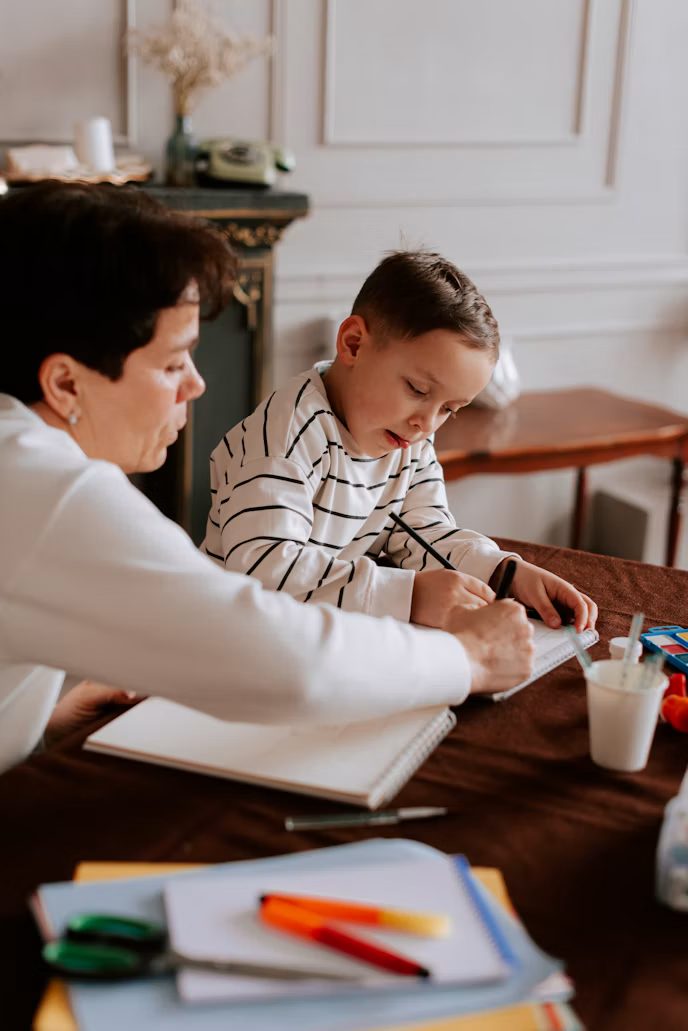
Looks at how your child thinks, learns and pays attention, through calm, game-like tasks.
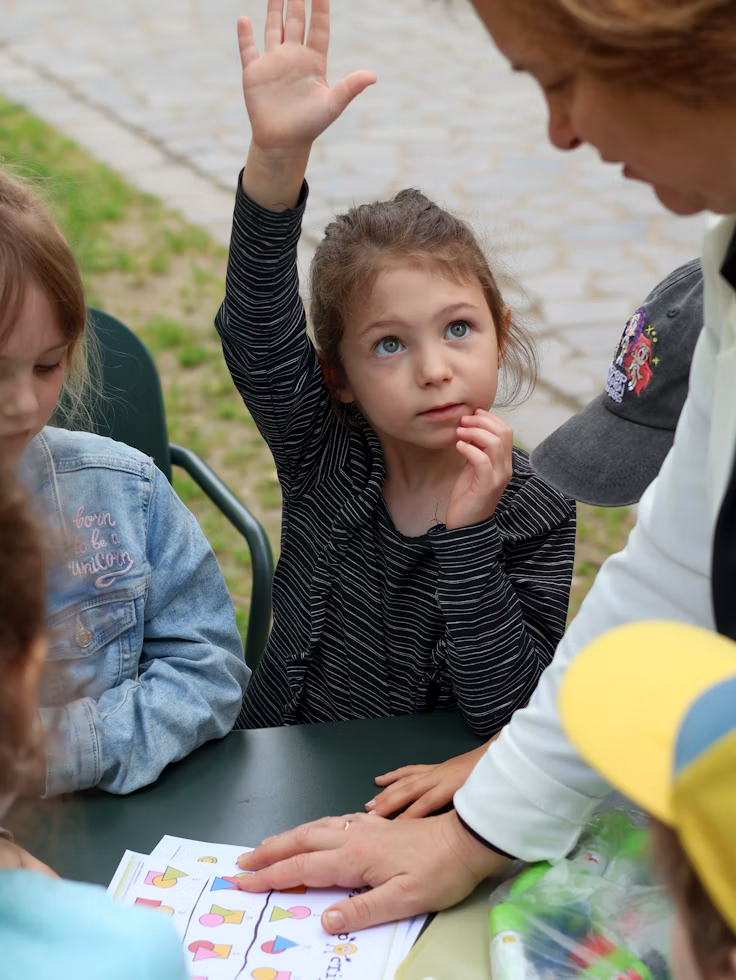
Listens to how your child understands, speaks and shares what they need.

Observes movement, hand skills and sensory comfort during everyday play.

Turns the findings into learning goals that fit your child's classroom day.
Want to know more about the people behind Little Horizons? Meet the full team
What happens next
You won't be left with a report and a goodbye. Here's how we turn what we learn into everyday support.
We turn the findings into a clear, plain-language plan with goals for learning, communication and daily routines.
We suggest the program, group size and routine where your child is most likely to feel safe and ready to learn.
With your consent, we share the plan with teachers, so support at school and support here point the same way.
We sit down together to look at progress, celebrate what's growing and adjust the plan as your child changes.
Every plan is shared with you first, before anyone else sees it.

Parent voices
Every journey begins with one assessment day. Here is how a few parents describe theirs.

For the first time, someone described my son by what he can do. We walked out with a plan, and with hope.
Mother Early learning program

They never rushed her. Every session ended with a small win we could practise together at home.
Parents Speech & language support

The team spoke to her teachers before term began. She arrived at a classroom that already understood her.
Parent Starting school
Common questions
Straight answers about the assessment day, so nothing comes as a surprise.

It depends on your child's age and needs. We plan breaks, snacks and quiet time into the day, and we confirm the exact timing with you when you book.
No. You can come with or without a previous diagnosis. If you have earlier reports, bring them, because they help us see the bigger picture.
Mostly not. Much of the assessment happens through play, conversation and everyday activities in a calm room, at your child's own pace.
Yes, parents are welcome and are part of the conversation. A few short activities may be done one-to-one, and we always explain them beforehand.
You do, first. We share a written summary with you in plain language, and we only share it with your child's school or anyone else with your consent.
We slow down, change the activity or pause. If your child needs more time, we can plan a shorter second visit instead of pushing on.
Still have a question? Ask us directly
Take the first step
Book an assessment day and leave with a clear plan, in plain language, made for your family.